
Things that Matter.
Context
Every dynamic, however carefully designed, lives inside the rest of life — and life does not check the agreements before it acts. A door handle breaks. A sentence falls out of someone's mouth, unplanned, and lands harder than anyone expected. The ground shakes, literally or otherwise. None of this was negotiated. None of it was on anyone's list of Desired Expansion. And here we are.
This pattern sits at the end of the Practice layer and asks what happens when practice meets the unscripted. It connects forward to Safety within the Scene and reaches back through almost every layer that precedes it.
Core Dynamic
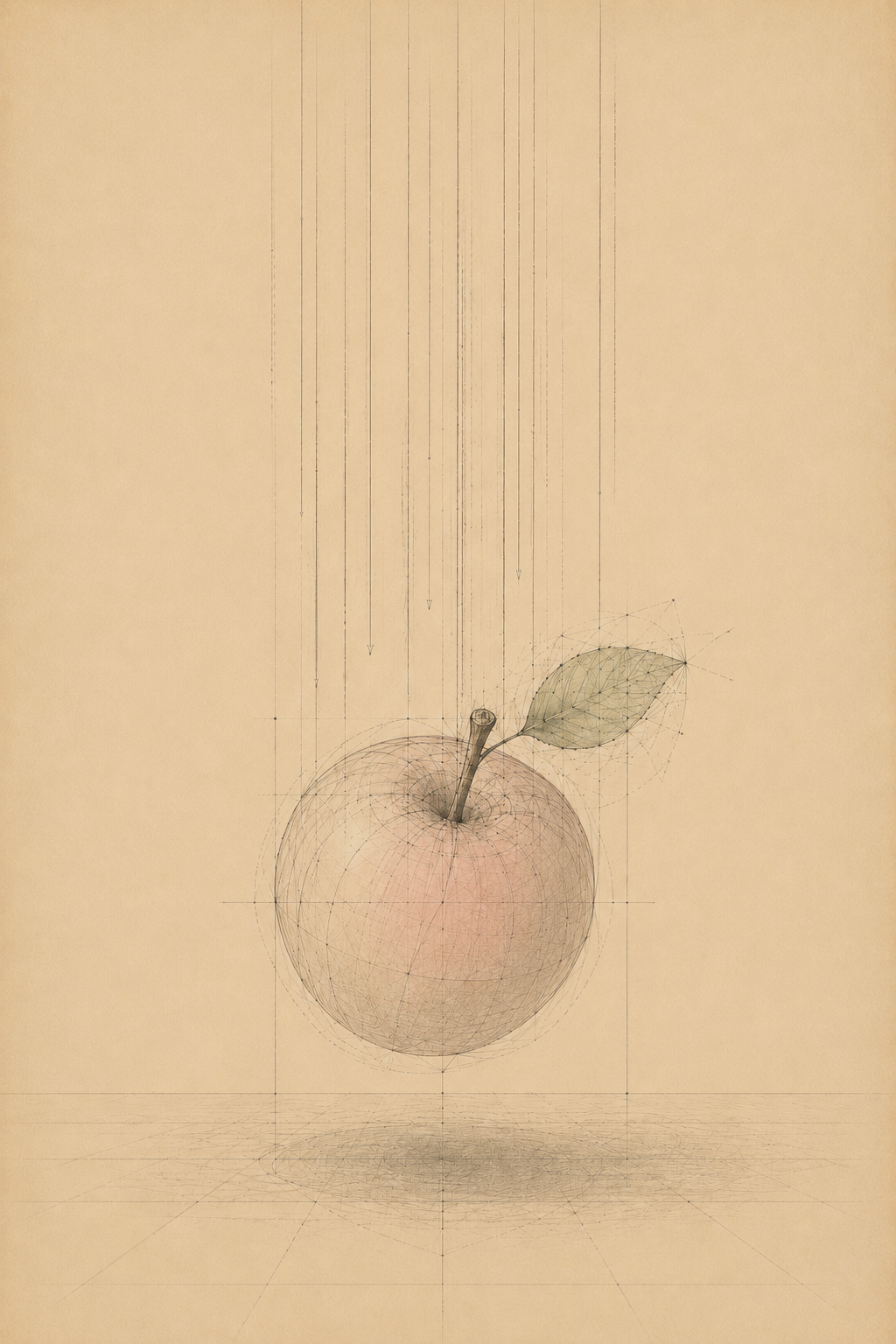
This pattern is about that arrival — the unscheduled thing that turns out to matter, far more than its size would suggest. Sometimes it opens a door toward something the dynamic has been circling for months. Sometimes it pulls open a trapdoor into material nobody was ready for. Either way, it asks something of the structure that Structured Agreements and The Contract have built — not by following a procedure for this exact situation, because there isn't one, but by holding firm enough that the dynamic doesn't dissolve the moment something genuinely unplanned walks in.
The thing that arrives is rarely dramatic in itself. A throwaway sentence, said without thinking, that turns out to have been true the whole time. A small object breaking at an inconvenient moment. A wave of grief or fear that has nothing to do with the scene currently in progress, and everything to do with it. The scale of the thing and the scale of its effect are not related — that is precisely what makes it this pattern, and not another one.
Languaging, Direct Communications, and Honesty matter enormously here — not because they prevent the unexpected, but because they determine whether it can be met when it shows up. A dynamic where things are said plainly, where what is noticed gets named, has a far better chance of recognising the moment for what it is.
There is no procedure for this, because the thing that arrives has, by definition, not been anticipated. What holds instead is everything Yes Sir and What Would Master Do describe, already in place before the moment arrives. Yes Sir is the quality the response comes from — not what is said or done, but the orientation underneath it, present regardless of what just happened. What Would Master Do is what a person draws on when there is no instruction and no time to ask: not a script for this exact situation, because none exists, but a way of being that has been internalised deeply enough to act from when nothing else is available. The unexpected thing doesn't require the dynamic to switch into some other mode. It arrives into whatever mode is already, genuinely, there.
Meeting the Shadow sits quietly behind this entire pattern. The unexpected thing that opens a door toward integration, and the one that pulls open a trapdoor full of old material, can look identical in the first few seconds. What determines which one it becomes is not the thing itself — it's whether the bedding can hold it long enough for it to be met rather than fled from or papered over.
Possible Pathways
When something unscheduled lands — name it. Out loud, in the moment if possible, or as soon afterward as the situation allows. Don't let it dissolve back into the ordinary flow unmarked. Naming it doesn't mean making it a big deal; it means acknowledging that something just happened that wasn't part of the plan, and giving the dynamic a chance to actually meet it.
Trust what is already there. The orientation behind Yes Sir, the internalised values behind What Would Master Do — these don't need to be summoned for the occasion. They're either present as a way of being, in which case the unexpected simply meets them, or they're not yet, in which case this moment is information about what still needs building.
Afterward — in the next Periodic Review if not sooner — return to it. What was that? What did it ask of us? Did the bedding hold, or did it crack — and either way, what does that tell us about what this dynamic is actually made of?
Discussion
Life as a Ceremony and Sacredness are what make it possible to notice these moments at all. A dynamic that moves through its days on autopilot — going through the forms without attending to them — will simply miss most of what this pattern is about. The unscheduled thing arrives, and is absorbed into the noise of an ordinary day, unmarked, ungrasped. Attending to life as ceremony means there is enough stillness, enough presence, for the unscheduled to actually register as what it is.
When the bedding doesn't hold
Sometimes it doesn't. The unexpected thing is too large, or arrives at a moment when the dynamic is already thin, and instead of being met, it becomes the thing the dynamic falls into. This is not necessarily a failure of the dynamic as a whole — sometimes it is exactly what needed to happen, the dynamic's own version of Meeting the Shadow arriving on its own schedule rather than anyone's. What matters afterward is not whether it happened, but whether it becomes Forgiveness and Repair — or whether it's left where it fell.
Surrender to the larger thing
Surrender shows up differently in this pattern than it does almost anywhere else in this language. Elsewhere, surrender is often discussed in terms of one person surrendering within the dynamic — to the dominant, to the structure, to the moment. Here, the surrender is something everyone in the dynamic does together: to the fact that something just happened that nobody chose, that it is already part of the day now, and that the only real option is to meet it rather than to insist that the day go back to how it was supposed to go. This is closer to what Wu Wei describes — not passivity, but a kind of active non-resistance to what is already, undeniably, here.
Connected Patterns
This pattern depends on Structured Agreements and The Contract — the bedding has to exist before it can hold anything. It draws on Languaging, Direct Communications, and Honesty — what makes the moment nameable. Most directly, it leans on Yes Sir and What Would Master Do — not as responses to the unexpected, but as the already-internalised orientation and values that mean the unexpected doesn't require a different mode to meet it. It connects to Life as a Ceremony and Sacredness — what makes the moment noticeable at all. It touches Meeting the Shadow and Forgiveness and Repair — when the bedding doesn't hold. And it shares its deepest territory with Surrender and Wu Wei — the willingness to be shaped by what arrives.
"Be water, my friend." — Bruce Lee, Pierre Berton interview (1971).